
This article highlights the five airport projects from 2025 that for me stood out for their architectural quality and strong sense of place.
Across all five projects, a clear trend emerges: airport terminal architecture is increasingly shaped by regional identity and recognisable design, rather than generic global standards. Materiality plays a key role, especially the use of timber-based systems as a warm, character-building element that also supports sustainability goals. This is reinforced by strong daylight and lighting design, which makes airport terminal spaces more comfortable, and keeps the architecture visually consistent throughout the day.
Check the specific architects websites for more information through the links provided below
(All pictures by the architects)
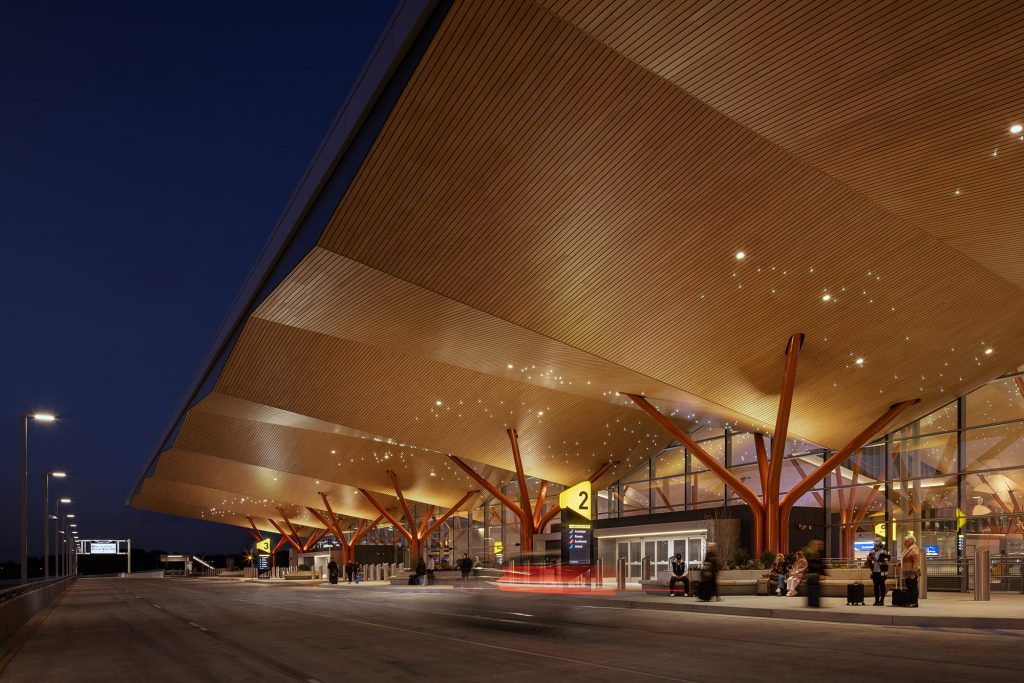
𝗣𝗶𝘁𝘁𝘀𝗯𝘂𝗿𝗴𝗵 𝗔𝗶𝗿𝗽𝗼𝗿𝘁, 𝗨𝗦𝗔
Pittsburgh shows the level of quality U.S. airports can achieve when they are designed and delivered to a high standard. The project feels very well balanced: nothing is extreme or overly fashionable — it’s simply strong architecture, with varied spaces and a confident calmness. It avoids overly expensive construction methods and unnecessary risks.
Architects: Luis Vidal + Gensler
https://www.gensler.com/projects/pittsburgh-international-airport-terminal
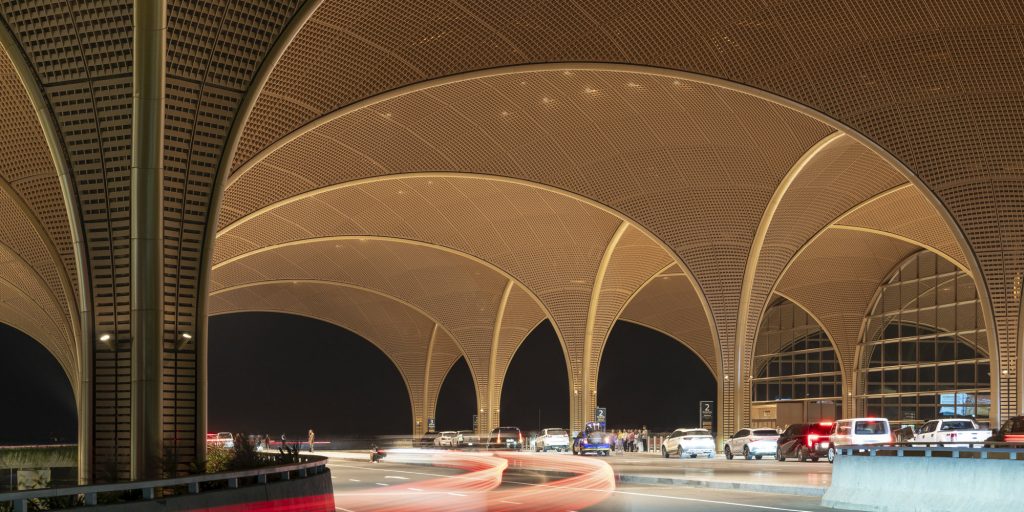
𝗧𝗲𝗰𝗵𝗼 𝗔𝗶𝗿𝗽𝗼𝗿𝘁, 𝗖𝗮𝗺𝗯𝗼𝗱𝗶𝗮
Once again Foster + Partner demonstrates their strengths as airport designers with decades of experience: an impressive, generous and airy building; a logical, modular and expandable layout; and a roof that manages to make a complex technical “inner life” look effortless.
It’s a classic building with a genuinely “timeless” design – one that will still feel beautiful in 20 years.
Economically, however, it may be on the large side for Cambodia, and therefore not particularly efficient.
Architects: Foster + Partners
https://www.fosterandpartners.com/projects/techo-international-airport
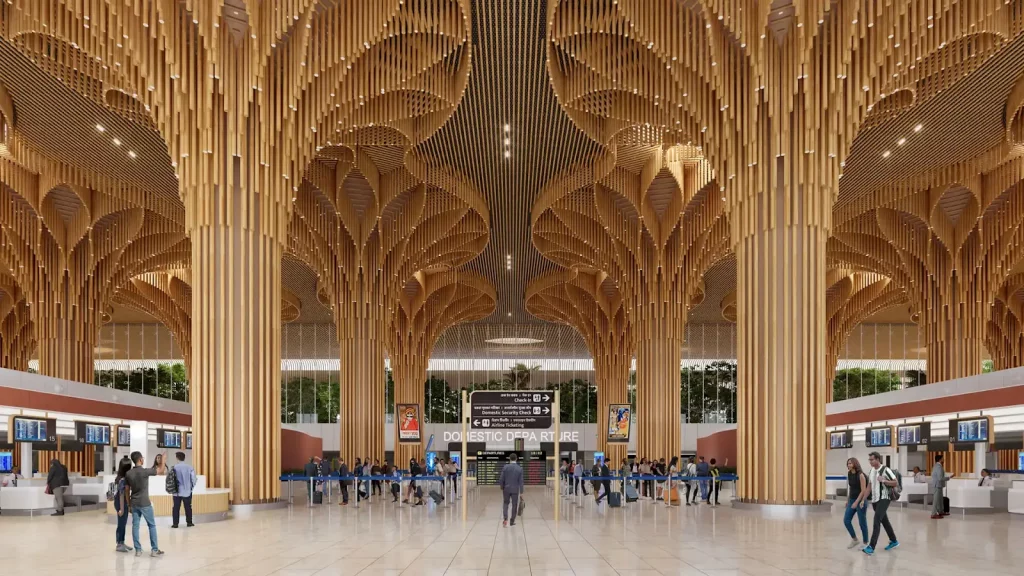
𝗚𝘂𝘄𝗮𝗵𝗮𝘁𝗶 𝗔𝗶𝗿𝗽𝗼𝗿𝘁, 𝗜𝗻𝗱𝗶𝗮
This project shows how Indian airport design is increasingly emancipating itself from foreign architects – which, given the size and ambition of the country, feels absolutely right. While the design is clearly inspired by the SOM terminals in Mumbai and Bangalore, it succeeds in defining a local architectural language. The bamboo and the extensive planting create very pleasant spaces. The project was also delivered impressively fast.
Architects: NUDES
https://parametric-architecture.com/guwahati-airport-terminal-2-award-2025/?srsltid=AfmBOooyLXzYFXSq2Gwhey8IASwLy4XjQ_i0HHXU7P1iY71ibY_Rlc7a
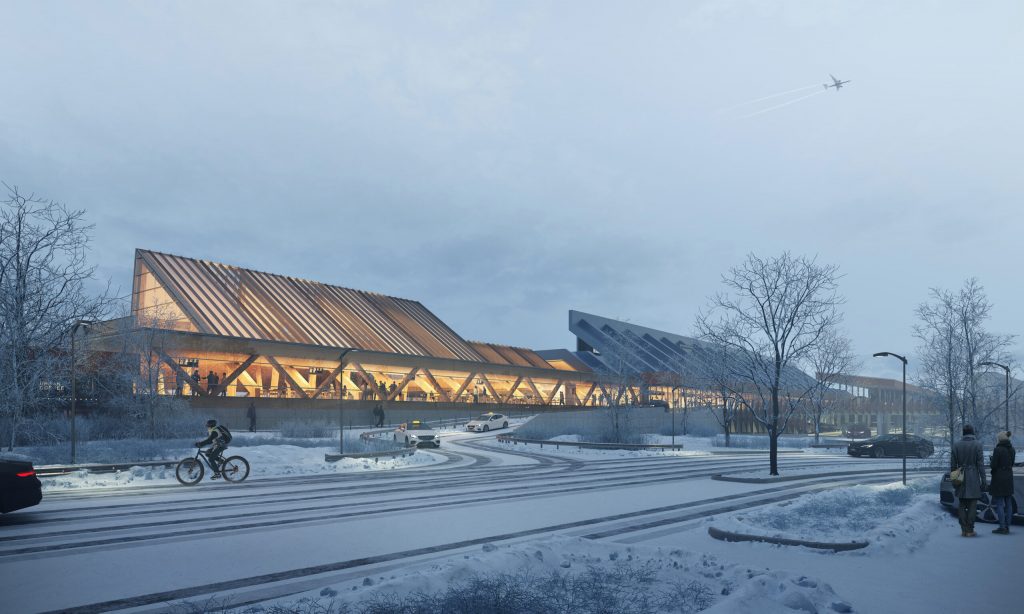
𝗧𝗮𝗹𝗹𝗶𝗻𝗻 𝗔𝗶𝗿𝗽𝗼𝗿𝘁, 𝗘𝘀𝘁𝗼𝗻𝗶𝗮
This project is a great reminder that young smaller local practices are absolutely capable of designing high-quality terminals. The concept is most likely influenced by BIG’s “Dock A” in Zurich, but that doesn’t diminish the achievement. The design extends the existing building in a very natural way, while also finding a contemporary form that fits the country’s culture.
Architects: Dagopen Architects
https://www.dagopen.ee/en/project/tallinn-airport/
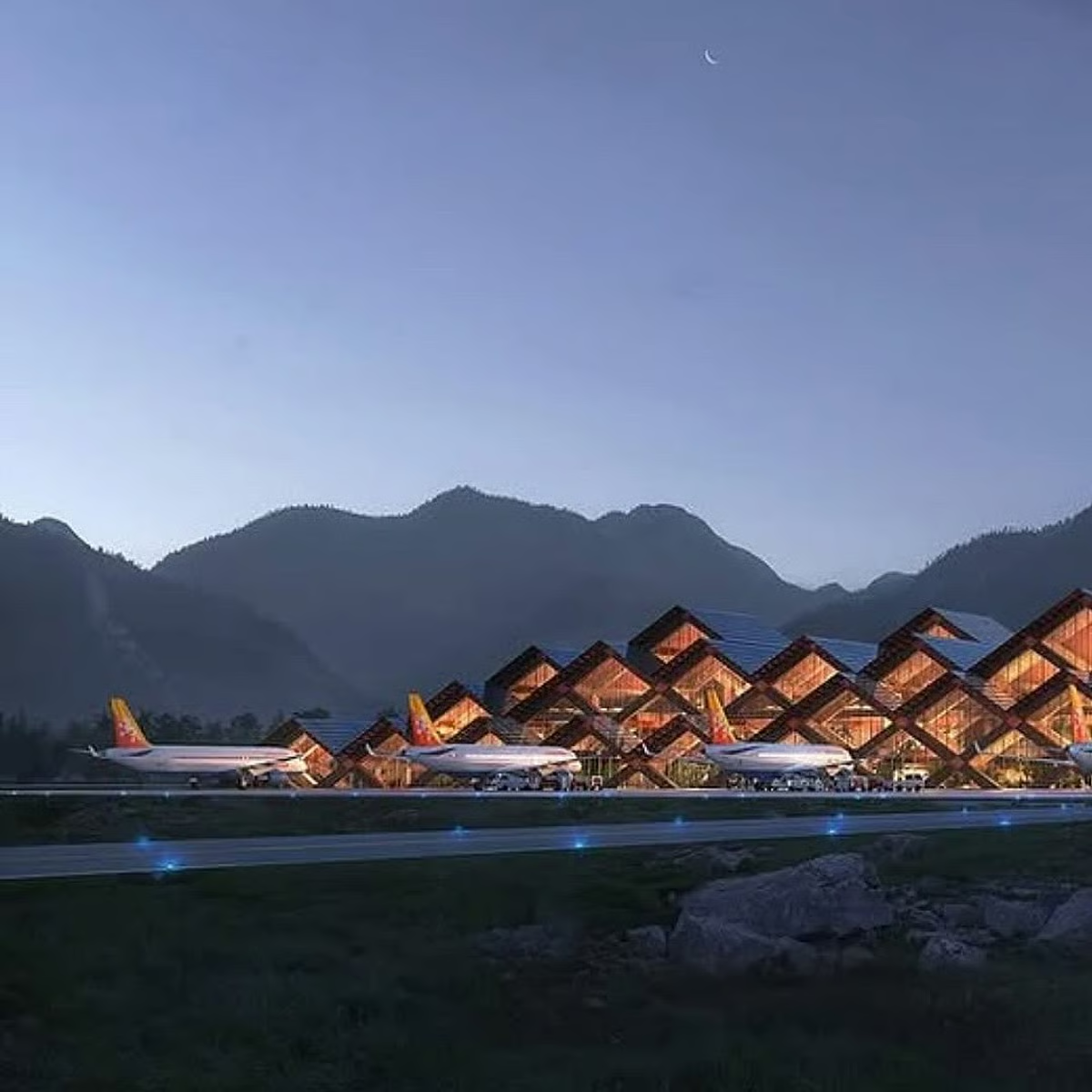
𝗚𝗲𝗹𝗲𝗽𝗵𝘂 𝗔𝗶𝗿𝗽𝗼𝗿𝘁, 𝗕𝗵𝘂𝘁𝗮𝗻
After their first airport project in Zurich, BIG once again manages to develop a completely new and surprising design language. Their approach could be described as a “super-radical regionalism” — combining traditional craft techniques with the technical possibilities of today.
Similar to Foster + Partners’ Red Sea Airport in Saudi Arabia, this terminal shows the potential to become the iconic symbol of a new travel destination.
Architects: Bjarke Ingels Group
https://big.dk/projects/gelephu-international-airport-20769